*Dialysis, Heart Care And Knee Replacements Among Top 10 Procedures Covered Under Mukh Mantri Sehat Yojana*
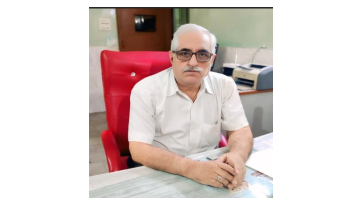
*Healthcare matters only when treatment reaches patients before money becomes the problem: Dr Balbir Singh*
CHANDIGARH, August 9:
A serious illness doesn't just test a patient's health, it often tests a family's finances. Bhagwant Mann Government's Mukh Mantri Sehat Yojana is steadily changing that reality in Punjab by taking the cost of expensive medical treatment out of the equation.
The numbers tell the story. Under the scheme's ten most frequently availed procedures alone, 2,44,468 cashless treatments worth more than ₹316.50 crore have already been provided. From patients who require dialysis several times a week to those undergoing heart surgery, knee replacement or emergency Caesarean delivery, the scheme is covering treatments that many families would otherwise struggle to afford.
The pattern is no coincidence. According to the World Health Organisation (WHO), around the world, health systems are seeing a sharp rise in chronic illnesses such as heart disease, diabetes and kidney disorders. Punjab is no different. The growing demand for dialysis, cardiac care and joint replacement under the scheme reflects a healthcare system responding to diseases that don't disappear after one hospital visit, they require continuous, specialised and often costly care.
Data from the State Health Agency (SHA), Punjab, shows that Chronic Haemodialysis remains by far the most availed procedure under the scheme. A total of 1,87,656 dialysis sessions, worth more than ₹30.65 crore, have been provided, ensuring that patients living with chronic kidney disease can continue treatment without the constant worry of arranging money for every hospital visit.
The scheme has also supported 17,698 laparoscopic gall bladder surgeries, making it the second most common procedure. Close behind are 10,751 Total Knee Replacement surgeries, helping thousands of elderly patients regain mobility and independence. Another 9,317 women received cashless Caesarean deliveries, reducing financial stress at one of the most critical moments for any family.
Heart care has emerged as another major pillar of the scheme. As many as 8,734 patients underwent Percutaneous Transluminal Coronary Angioplasty (PTCA) along with diagnostic angiography, while 554 patients received Coronary Artery Bypass Grafting (CABG), ensuring that life-saving cardiac treatment was not delayed because of cost.
The scheme has also covered 5,770 Percutaneous Nephrolithotomy (PCNL) procedures for kidney stone treatment, 2,247 lower ureter surgeries, 911 Cementless Total Hip Replacement surgeries, and 830 radical surgical procedures, underscoring its ability to support advanced, high-cost interventions across multiple specialties.
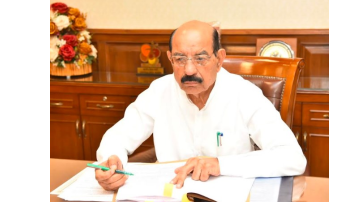
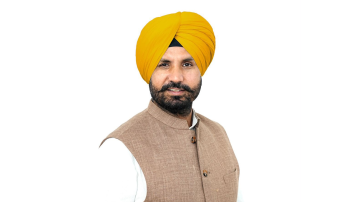
Health and Family Welfare Minister Dr Balbir Singh said, "The true measure of any healthcare programme is not the number of beneficiaries on paper, but the number of families who receive timely treatment without being pushed into financial distress. The success of a healthcare scheme is reflected in the lives it changes. These figures represent thousands of families who received quality treatment without worrying about hospital bills. Whether it is a patient requiring lifelong dialysis, an elderly person undergoing knee replacement, a woman needing a safe Caesarean delivery, or someone requiring emergency heart treatment, Mukh Mantri Sehat Yojana is ensuring that financial constraints never become a barrier to healthcare."
He added that the range of procedures covered under the scheme reflects Punjab's effort to build a healthcare system that is not limited to routine care but is capable of supporting patients through some of the costliest and most complex medical conditions.
Beyond the statistics, the data points to a larger shift. More people are surviving chronic illnesses because treatment is becoming financially accessible. More elderly patients are regaining mobility. More women are receiving institutional maternal care. And more families are focusing on recovery instead of scrambling to arrange hospital bills.
As the scheme expands, it is increasingly becoming one of Punjab's strongest social protection programmes, one that doesn't just fund healthcare, but shields families from the financial shock that serious illness so often brings.







 RSS FEED